
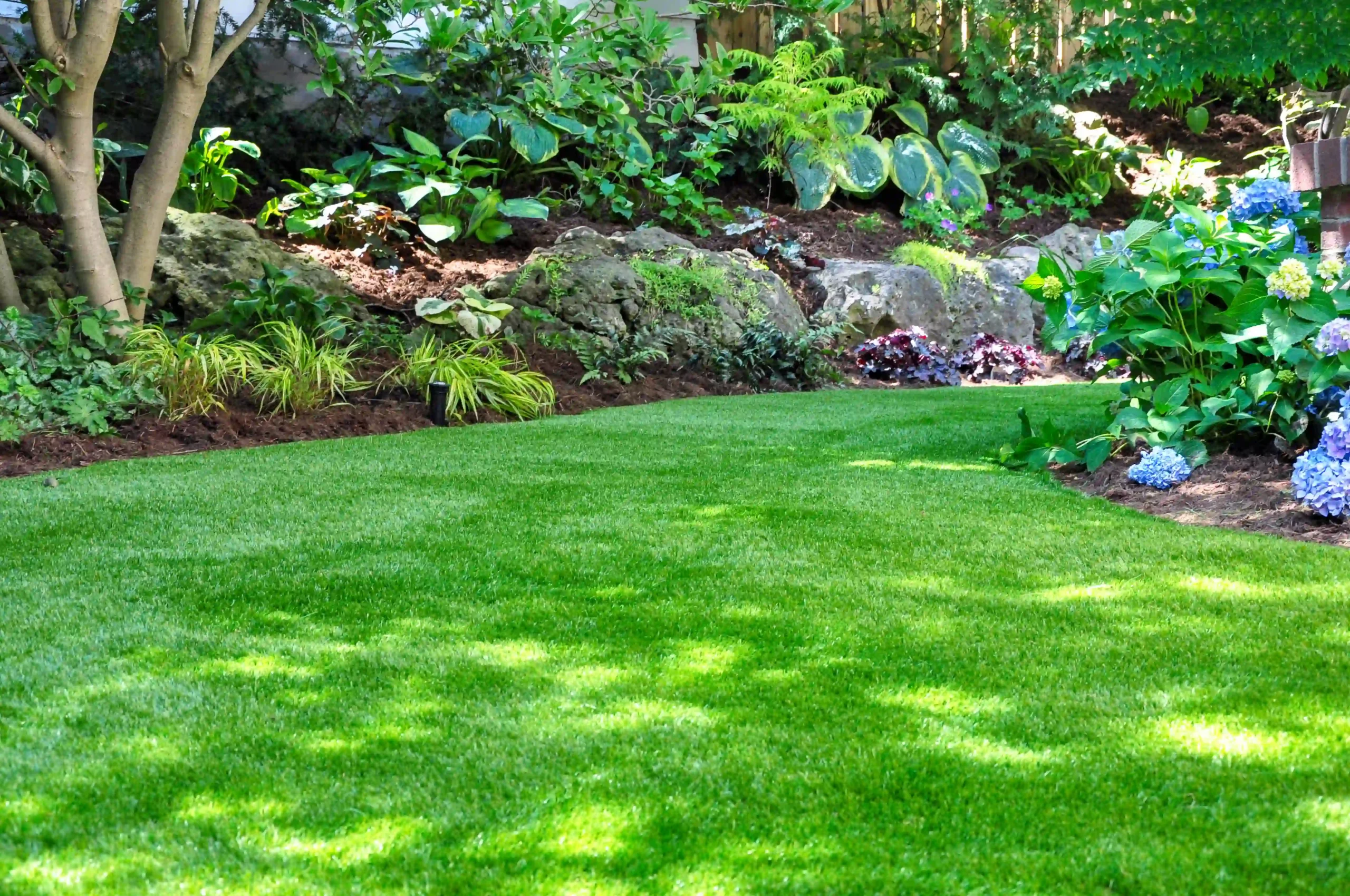
The dream of a perfect, emerald-green lawn is a cornerstone of Southern living. However, for homeowners in Charleston, SC, achieving this dream can feel like a constant battle against the elements. Our hot, humid summers, torrential downpours, and persistent pests can turn a natural grass lawn into a high-maintenance headache. It’s no wonder that a growing number of residents are looking for a better solution, with searches for astro turf landscaping and artificial turf installation skyrocketing..
If you’re tired of the endless cycle of mowing, watering, and weeding, you’ve likely considered the two main options: a traditional natural grass lawn or a modern artificial turf landscape. This is a significant decision that impacts your home’s curb appeal, your weekend free time, your budget, and the local environment. Many homeowners are now exploring artificial grass as a long-term solution to these challenges.
This ultimate guide is designed to give Charleston homeowners a definitive, side-by-side comparison of artificial turf and natural grass. We will explore the pros and cons of each, address the tough questions about cost and environmental impact, and tackle the #1 concern for our climate: heat. By the end of this guide, you will have the expert knowledge needed to make the best choice for your home and lifestyle.
The Enduring Appeal of Natural Grass in the Lowcountry
There’s an undeniable romance to a natural lawn. The smell of freshly cut grass, the soft feel under bare feet, and the knowledge that you are cultivating a living part of the ecosystem are powerful draws. For generations, a natural lawn has been a symbol of home and a source of pride.
The Environmental Benefits of a Healthy Lawn
A well-maintained natural lawn is more than just a pretty space; it’s an environmental asset. It acts as a miniature ecosystem that provides numerous benefits:
- Air and Water Filtration: Grass blades and their root systems trap dust, pollutants, and smoke particles, helping to clean the air. The soil and thatch layer also act as a natural filter, purifying water as it seeps into the groundwater table.
- Natural Cooling: Through a process called evapotranspiration, a natural lawn releases water vapor into the air, creating a significant cooling effect. On a hot Charleston summer day, a healthy lawn can be 10-30 degrees cooler than asphalt or concrete, and noticeably cooler than artificial grass.
- Carbon Sequestration: Like all plants, grasses absorb carbon dioxide (CO₂) from the atmosphere and store it in their roots and the soil, helping to combat climate change.
- Support for Biodiversity: A natural lawn provides a habitat for beneficial insects, pollinators, earthworms, and microorganisms that are essential for a healthy soil ecosystem.
The Unmatched Sensory Experience
Beyond the environmental perks, a natural lawn offers a sensory experience that synthetic materials cannot replicate. It’s a soft, forgiving surface for children to play on and a comfortable spot for a family picnic. However, maintaining this ideal in Charleston requires a significant and ongoing commitment.
The Modern Revolution: Why Charleston is Embracing Artificial Turf
When many people hear “astro turf,” they might picture the stiff, plastic-looking fields of the 1970s. Today’s synthetic turf is a different world entirely. Modern manufacturing has created products that are remarkably realistic, with multiple blade shapes, color variations, and thatch layers that mimic the look and feel of a natural lawn with stunning accuracy. This new generation of artificial grass is a game-changer for residential landscaping.
For a growing number of Charleston homeowners, the switch to artificial turf landscaping is a practical decision driven by a desire for a beautiful, hassle-free outdoor space. The appeal is rooted in solving the most significant pain points of lawn ownership in our climate.
The Core Benefits of Artificial Turf
- Minimal Maintenance: This is the #1 reason homeowners make the switch. Artificial turf eliminates the need for mowing, fertilizing, weeding, and aerating. It frees up your weekends and removes the recurring cost and hassle of lawn care equipment and services.
- Extreme Durability and Consistency: An artificial turf lawn looks perfect year-round. It won’t develop brown spots in the summer heat, get ravaged by pests, or turn into a mud pit after a heavy rain. It’s an incredibly resilient surface ideal for high-traffic areas, pets, and children’s play zones.
- Significant Water Conservation: In a region where water bills can be high, especially during dry spells, artificial grass offers substantial savings. It eliminates the need for regular irrigation, which the EPA estimates can account for a significant portion of a household’s water usage.
- Ideal for Problem Areas: Many Charleston yards have areas where grass struggles to grow due to deep shade, poor soil, or drainage issues. A professional artificial turf installation provides a perfect, green solution for these challenging spots where a natural lawn is not viable.
Head-to-Head Comparison: Artificial Turf vs. Natural Grass
Making an informed decision requires a direct comparison across the factors that matter most to homeowners. Here’s how the two options stack up:
| Feature | Artificial Turf / Artificial Grass | Natural Grass |
|---|---|---|
| Aesthetics | Consistently green, uniform look. Modern turf is highly realistic. | Natural, organic beauty. Appearance varies with season and health. |
| Maintenance | Very low: Occasional rinsing, brushing, and debris removal. | High: Regular mowing, watering, fertilizing, weeding, pest control. |
| Durability | Extremely high. Withstands heavy foot traffic and pets. | Varies by grass type. Can be damaged by heavy use and pests. |
| Water Needs | None, except for occasional cleaning/cooling. | High, especially in Charleston summers. |
| Upfront Cost | High. A significant initial investment. | Low. Sod or seed is relatively inexpensive to install. |
| Long-Term Cost | Low. Minimal ongoing expenses. | High. Recurring costs for water, fertilizer, equipment, and services. |
| Environmental Impact | Mixed. Conserves water but is a plastic product with a landfill footprint. | Positive. Provides cooling, filters air/water, supports biodiversity. |
| Surface Temperature | Gets significantly hotter than natural grass in direct sun. | Stays cool through natural evapotranspiration. |
The Heat Issue: Can Artificial Turf Handle Charleston Summers?
This is the most critical question for any homeowner considering artificial turf in Charleston, SC. The answer is yes, but with important considerations. Artificial grass does get hotter than natural grass in direct sunlight. On a 100°F day, the surface of synthetic turf can reach 120-150°F, while natural grass would remain closer to 90-95°F.
However, this doesn’t tell the whole story. Several factors influence how hot your turf will get, and modern solutions can dramatically mitigate the issue:
What Makes Turf Hot?
- Material: The plastic fibers (polyethylene, polypropylene) naturally absorb more heat than organic grass blades.
- Infill: This is the most significant factor. Traditional black crumb rubber infill, often used in athletic fields, is a major heat absorber. Residential installations should never use black crumb rubber.
- Lack of Moisture: Natural grass cools itself through evaporation. Artificial turf is dry, so it cannot self-cool.
Modern Solutions for a Cooler Artificial Lawn
Fortunately, the artificial grass industry has invested heavily in solving the heat problem. Here are the strategies and technologies that make synthetic turf a viable and comfortable option even in Charleston:
- Cooling Infill: This is the most effective solution. Instead of black rubber, high-quality residential installations use specialized infills. Silica sand is a common choice as it is lighter in color and retains less heat. Advanced acrylic-coated sand or other mineral-based infills are even better, as they are designed to be reflective and stay cooler to the touch.
- Heat-Reflective Technology: Many premium turf products now incorporate technology directly into the fibers. These reflective pigments and specialized blade shapes are designed to reduce heat absorption and keep the surface temperature lower.
- Strategic Shading: Just like any other surface, shade makes a huge difference. Integrating trees, pergolas, or shade sails into your landscape design can keep your turf comfortable throughout the day.
- A Quick Rinse: On the hottest days, a brief spray with a garden hose or irrigation system can instantly cool the turf surface by 30-50°F, providing immediate relief for pets and children.
By choosing the right product and installation methods, you can have an artificial lawn that remains comfortable and usable even during a Charleston summer.
The Professional Astro Turf Landscaping Installation Process
Achieving a flawless, long-lasting astro turf lawn requires a meticulous, multi-step installation process. This is not a simple DIY project; professional expertise is crucial for a successful outcome.
- Site Preparation and Excavation: The process begins with removing the existing lawn, weeds, and a top layer of soil, typically 3-4 inches. This creates a clean base for the new installation.
- Base Construction and Compaction: A crushed rock base (aggregate) is installed and compacted to create a stable, porous foundation. This base is critical for proper drainage and a smooth, even surface.
- Weed Barrier Installation: A high-quality geotextile weed barrier is laid over the compacted base to prevent any future weed growth.
- Turf Installation: The artificial grass is carefully rolled out, positioned, and trimmed to fit the exact contours of your lawn. Seams between sections are meticulously joined and secured.
- Infill Application: The chosen infill (e.g., silica sand) is evenly spread over the turf and brushed deep into the fibers. The infill provides stability, supports the grass blades, and helps with cooling.
- Final Grooming: The final step is a thorough brushing of the entire lawn to ensure the blades are standing upright and the infill is evenly distributed, creating a lush, natural appearance.
Maintaining Your Artificial Grass Lawn
While artificial grass is low-maintenance, it is not no-maintenance. A small amount of regular care will keep your investment looking its best for years to come.
- Regular Rinsing: A light spray with a hose once a month will wash away dust and pollen.
- Debris Removal: Use a leaf blower or a stiff-bristled broom to remove leaves, twigs, and other organic matter.
- Brushing High-Traffic Areas: Periodically use a broom or a power brush to fluff up the fibers in areas that see a lot of use. This keeps the blades standing upright and prevents matting.
- Stain Removal: Most spills can be cleaned with a simple solution of water and mild soap.
Artificial Turf for Pets: A Charleston Dog Owner’s Dream
For pet owners, artificial turf can be a revolutionary solution. It eliminates muddy paws, brown spots from urine, and holes from digging. However, a successful pet installation requires a specific system:
- High-Permeability Turf: Choose a turf with a high-drainage backing to allow liquids to pass through quickly.
- Antimicrobial Infill: Use a specialized pet-friendly infill that is non-toxic and helps to neutralize odors.
- Proper Base and Drainage: A well-constructed base is essential to ensure that urine and water drain away efficiently, preventing the buildup of odor-causing bacteria.
The Environmental Debate: A Balanced Perspective
The environmental impact is a complex issue with valid points on both sides. It’s essential to look beyond the headlines and consider the full lifecycle of both options.
The Case Against Artificial Turf
- Plastic Production and Disposal: Artificial grass is a plastic product derived from fossil fuels. At the end of its 15-20 year lifespan, it is difficult to recycle and typically ends up in a landfill.
- Loss of Biodiversity: Replacing a natural lawn with plastic eliminates a habitat for insects, worms, and soil microbes.
- Microplastics: Over time, the turf fibers can break down into microplastics, which can enter the soil and waterways.
The Case Against Natural Grass (in a High-Maintenance Context)
- Water Consumption: Maintaining a lush, green lawn in Charleston requires an immense amount of water, a precious resource.
- Chemical Runoff: Fertilizers, pesticides, and herbicides used in conventional lawn care can run off into our creeks and marshes, harming the delicate Lowcountry ecosystem.
- Fossil Fuel Consumption: Gas-powered mowers, edgers, and blowers produce carbon emissions and other pollutants.
The Verdict for Charleston: For homeowners committed to organic, low-impact lawn care, natural grass is the more environmentally friendly choice. However, for the majority of homeowners who rely on conventional, high-input methods (heavy watering, chemical treatments, frequent mowing), the environmental benefits of natural grass are significantly diminished. In this context, the water conservation and elimination of chemical runoff offered by artificial turf present a compelling environmental trade-off.
Cost Analysis: The Upfront Investment vs. Long-Term Savings
There’s no question that a professional artificial turf installation is a significant upfront investment. However, it’s crucial to look at the total cost of ownership over the lifespan of the product.
- Artificial Turf Costs: The initial cost can range from $15 to $30 per square foot, including materials and professional installation. For a 1,000-square-foot lawn, this could be a $15,000 – $30,000 investment. However, after this initial outlay, the ongoing costs are minimal—perhaps a few hundred dollars per year for professional cleaning or infill replenishment.
- Natural Grass Costs: The initial cost of sod installation is much lower. However, the recurring annual costs of water, fertilizer, pest control, aeration, and equipment can easily add up to thousands of dollars per year. Over a 15-year period, the total cost of maintaining a natural lawn can often exceed the initial cost of an artificial one.
The Payback Period: For most Charleston homeowners, the payback period for an artificial grass investment is typically 5-8 years. After that point, the lawn begins to pay for itself in savings on water and maintenance costs.
Making the Right Choice for Your Charleston Home
The decision between artificial turf and natural grass is a personal one. There is no single right answer for every homeowner. It requires a careful evaluation of your priorities, budget, and lifestyle.
Choose Natural Grass If:
- You prioritize the environmental benefits of a living ecosystem.
- You enjoy the process of lawn care and gardening.
- Your property has ideal growing conditions (good sun, soil, and drainage).
- A lower upfront cost is your primary financial concern.
Choose Artificial Turf If:
- You desire a beautiful, low-maintenance lawn and more free time.
- You want a consistently perfect-looking lawn year-round.
- You have pets or children and want a durable, mud-free play surface.
- Your property has problem areas where grass will not grow.
- Water conservation and long-term cost savings are important to you.
Trust the Experts for Your Astro Turf Landscaping
If you’ve decided that the benefits of a modern, low-maintenance lawn are right for you, the next step is to choose a qualified installer. A high-quality astro turf landscaping project is a complex process that requires expertise in site preparation, grading, drainage, and material selection. A poor installation can lead to a host of problems, including poor drainage, visible seams, and premature wear.
At Cramer’s Landscaping, we are Charleston’s trusted experts in artificial turf landscaping. We use only the highest-quality, most realistic artificial grass products on the market, complete with advanced cooling technologies. Our professional installation team ensures that your new lawn is installed correctly from the ground up, providing a beautiful, durable, and long-lasting landscape.
Ready to reclaim your weekends and enjoy a perfect lawn every day of the year? Learn more about our artificial turf installation services and then contact Cramer’s Landscaping today for a free consultation and estimate.
Frequently Asked Questions About Astro Turf in Charleston
Is artificial turf safe for pets and children?
Yes, modern artificial grass is non-toxic and safe for both pets and children. It provides a clean, mud-free surface for play. For pet owners, we recommend systems that include specialized infill and drainage to manage pet urine and odors effectively.
How do you clean artificial turf?
For general cleaning, a simple rinse with a garden hose is usually sufficient. Solid waste should be picked up as it would be on a natural lawn. For a deeper clean, a solution of mild soap and water can be used. A stiff-bristled brush can be used to fluff up the fibers in high-traffic areas.
Will weeds grow through artificial turf?
It is very unlikely. A professional artificial turf installation includes a weed barrier beneath the turf that prevents weeds from growing through. You may occasionally see a weed pop up along the edges, but these are easily removed.